KaplanPrints
KaplanPrints
  • Home
  • Explore the Archive
  • Gallery
  • The Story
  • About
  • More
    • Home
    • Explore the Archive
    • Gallery
    • The Story
    • About
  • Home
  • Explore the Archive
  • Gallery
  • The Story
  • About

Stanley Kaplan—Prints

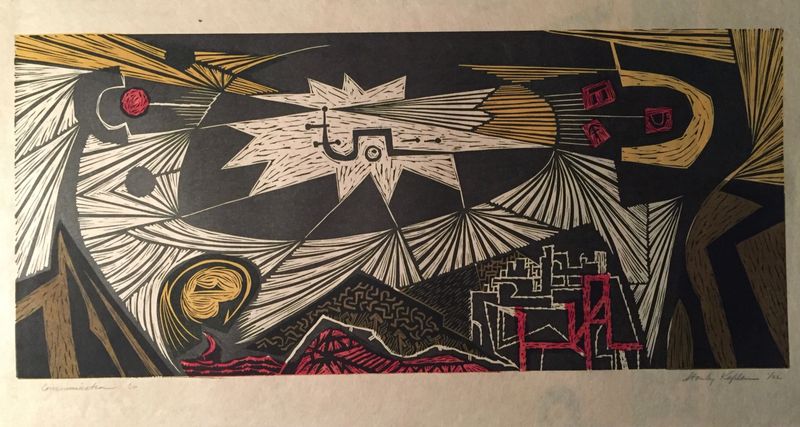
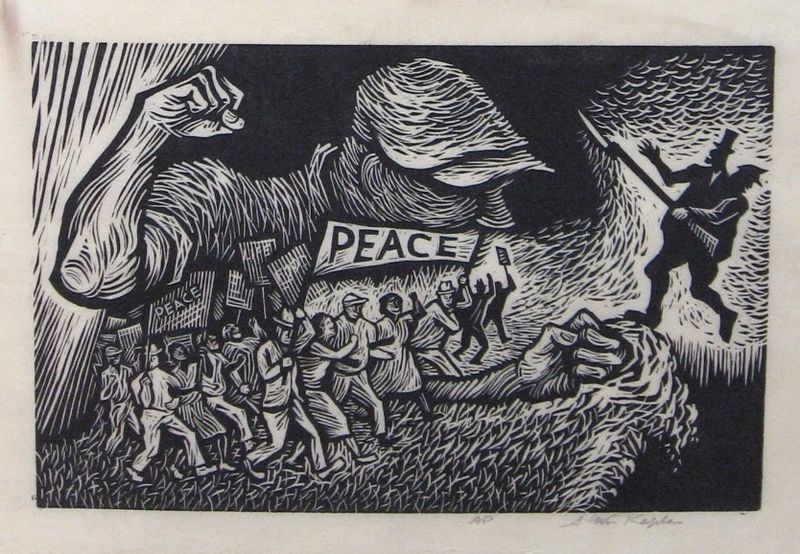
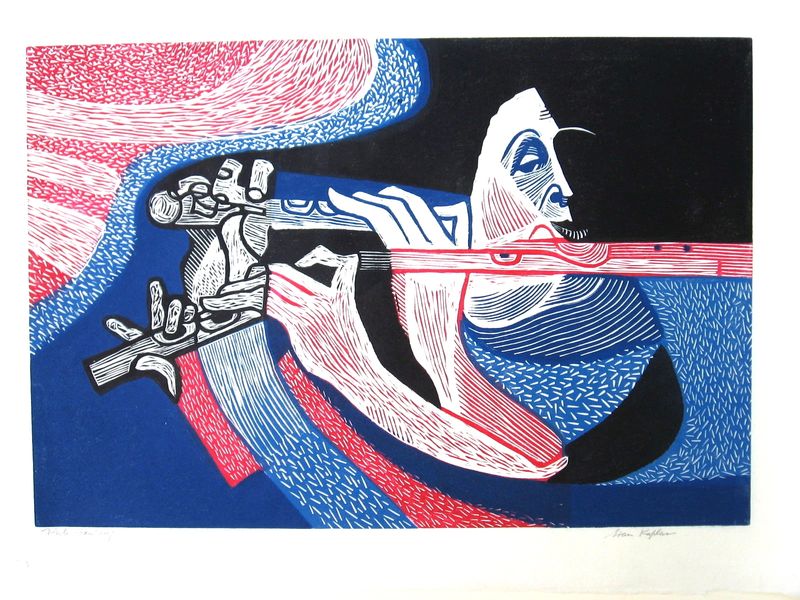
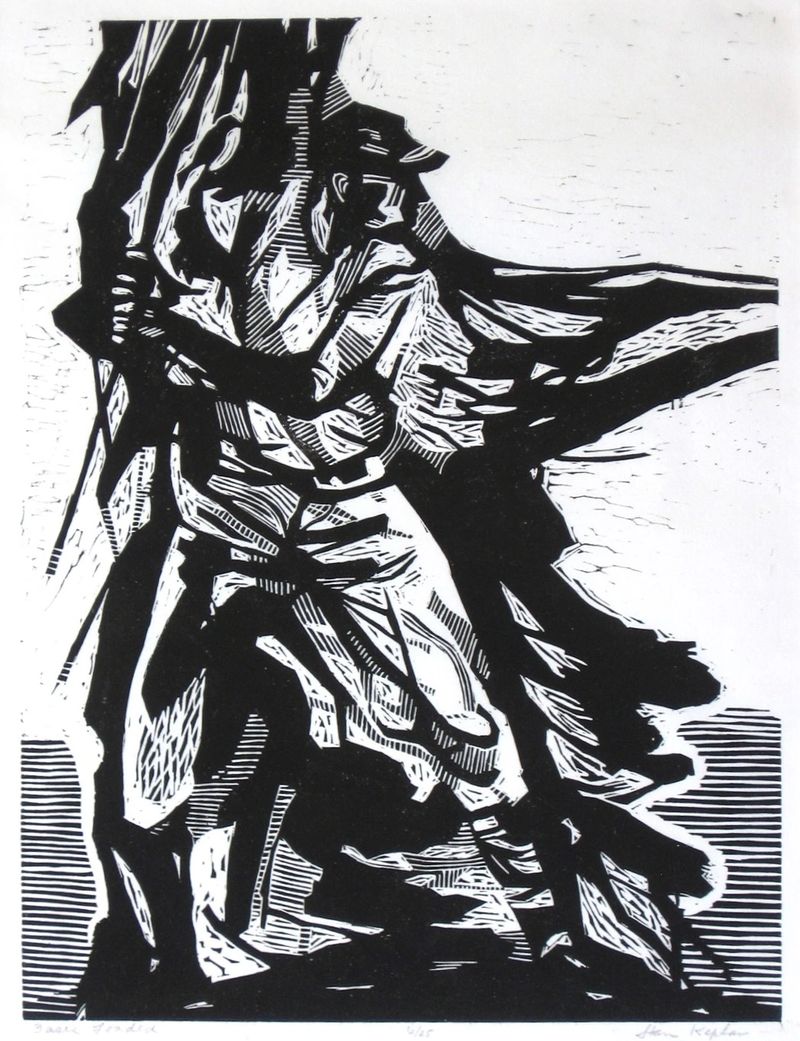
Woodcuts, linocuts, etchings, silkscreens — across six decades and many subjects. Stan frequently returned to ideas over the years, often in different mediums. Browse by category or follow what catches your eye.

Sports

People & Family

People & Family

People & Family

Transportation

Streets & Neighborhoods

The Natural World

Beyond Literal

Witness to History

In Performance

Frequently Asked Questions

A few questions I get asked often about the prints and how they're made.

 Every print in this archive is an original — pulled by Stan himself from a block, zinc plate, stone, or screen he prepared by hand. Nothing here is a photographic reproduction or a print run made after his death. 


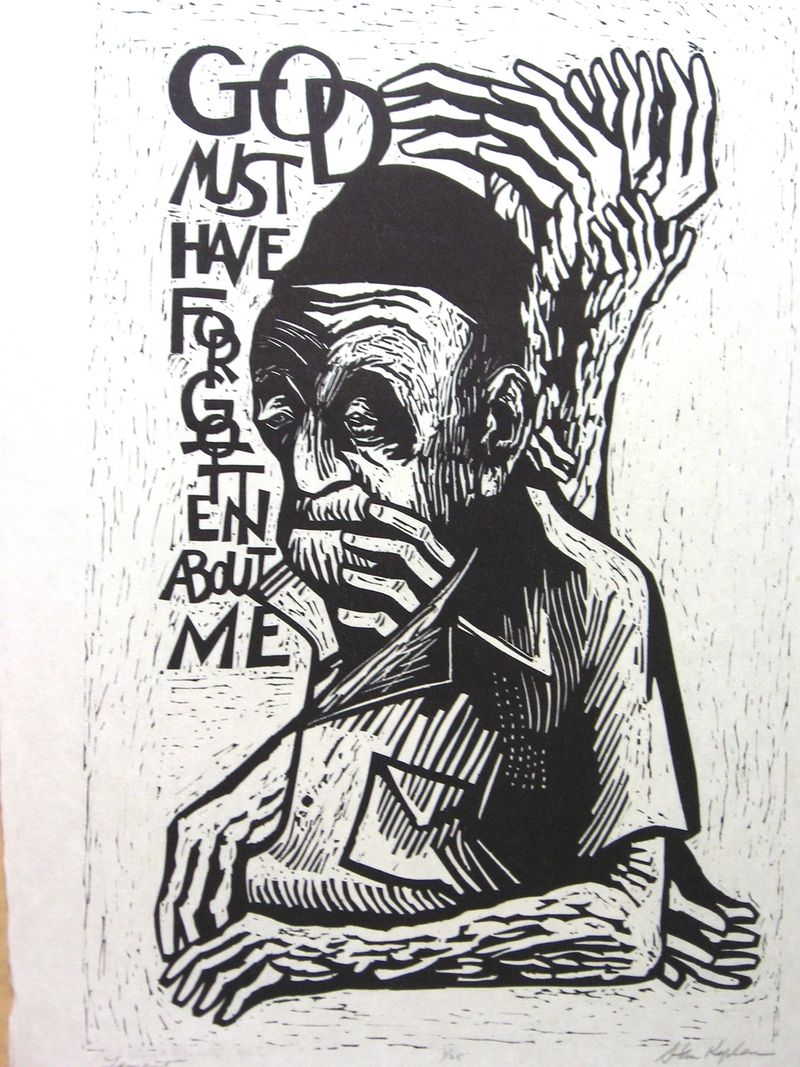
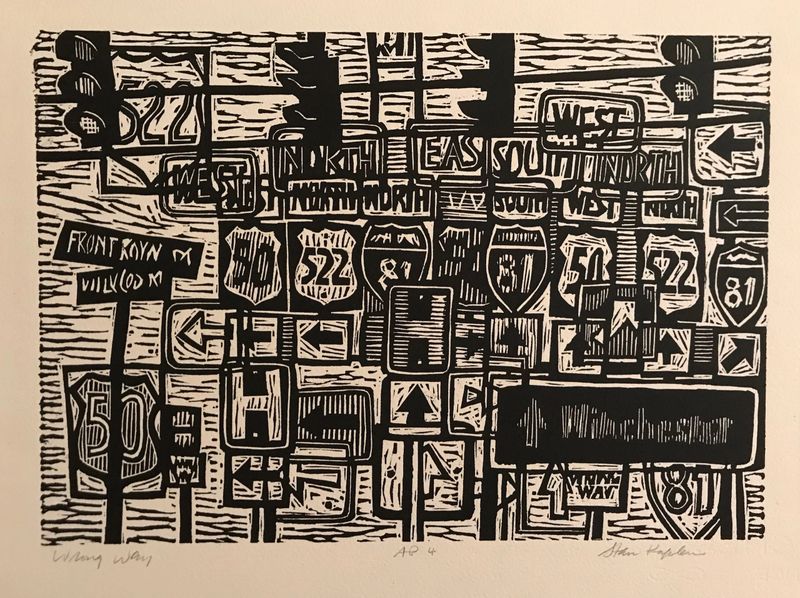
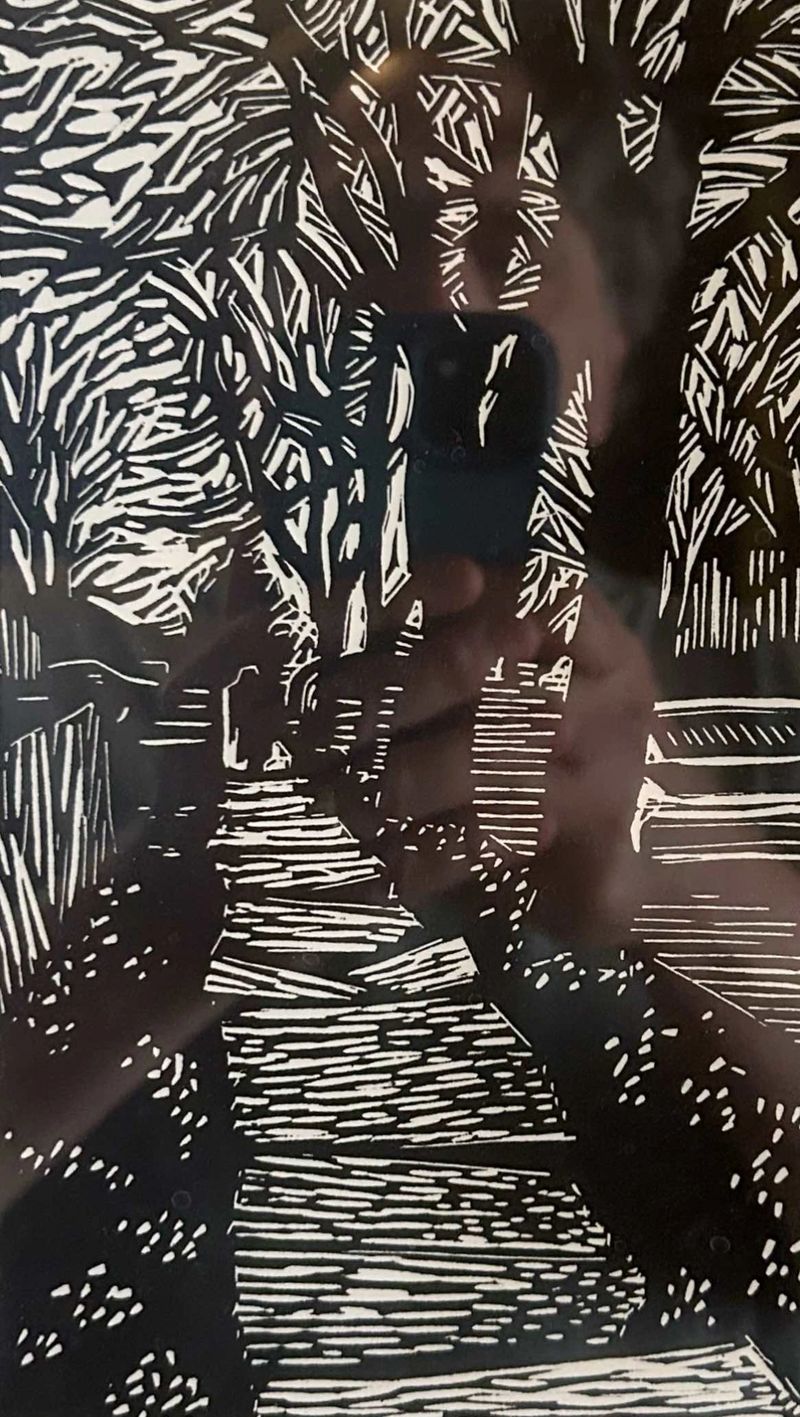
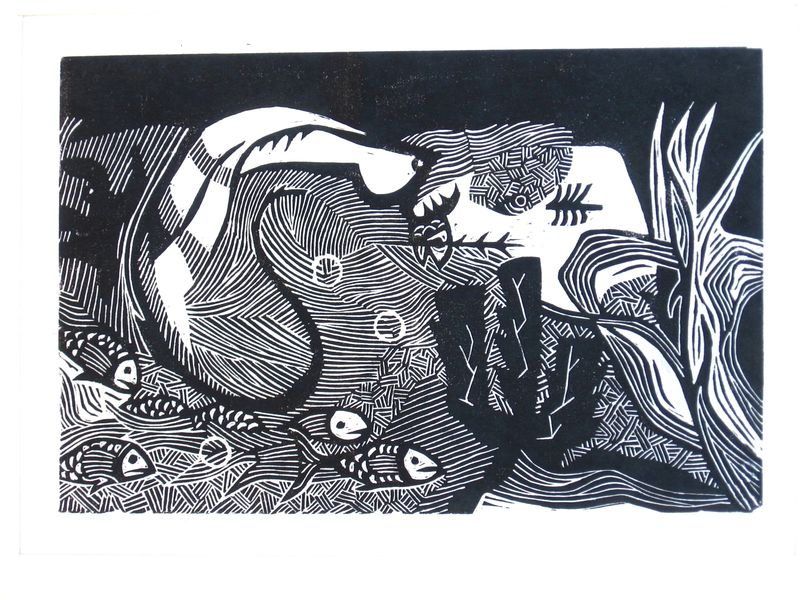
 Both are relief prints — the image is carved away, and what's left standing holds the ink. Woodcut uses a wood block, which can carry the grain of the wood into the print; linoleum cut uses a sheet of linoleum, which carves more smoothly and allows for finer detail. Stan moved between both throughout his career, sometimes returning to the same image in different mediums. 


 Etching works in reverse from woodcut and linoleum cut. Instead of carving away the surface, Stan drew into a wax-coated zinc plate with a fine needle, exposing bare metal wherever the line went. The plate was then bathed in acid, which bit into those exposed lines — the longer the bath, the deeper and darker the line. Once the wax was cleaned off, ink was worked into the grooves and wiped from the surface, so the image printed from below the plate rather than from a raised surface. It's a slower, more unpredictable process than carving, and you can often see that in the finer, more atmospheric lines etchings tend to have compared to his woodcuts.


He pushed the process further in two ways. Pressing pieces of fabric or lace into the soft wax ground before biting the plate — a technique called soft ground etching — let him transfer the exact weave and texture of the material into the metal. And rather than biting the whole plate for one uniform amount of time, he'd stop out sections with varnish partway through and return the plate to the acid, building up a range of light and dark values across a single print through staged, timed biting.


Examples can be found in the People & Family section.


 Lithography works on a completely different principle than the other techniques — it's not carving or etching at all, but chemistry. Stan drew directly onto a slab of limestone using a greasy crayon or ink. The stone was then treated with a mix of gum arabic and acid, which fixed the drawing chemically: the drawn areas became grease-attracting, and everything else became water-attracting. Once the stone was dampened and inked, the ink stuck only where he'd drawn and slid right off the wet, blank areas. The image transferred to paper from that flat surface under heavy pressure, no carving or biting involved. Because the drawing itself becomes the printing surface, lithographs can carry a looser, more direct hand — closer to drawing than carving. Examples can be found in the People & Family section.


 Silkscreen — also called serigraphy — works through a stencil rather than a carved surface or a chemically treated one. Stan's design was used to create an open area on a fine mesh screen, blocking ink everywhere else. Ink was then pulled across the screen with a squeegee, passing through the open mesh directly onto the paper below. For prints with multiple colors, he'd repeat the whole process with a new screen for each color, building the image up in layers from light to dark. It's the most graphic and flat of his printmaking techniques — bold, clean areas of color rather than the fine lines you'd see in an etching or the texture of a carved block. He also borrowed from the technique outside of pure silkscreen work, using stencils to lay in color patterns on some of his woodcuts and linoleum cuts. Examples can be found in the Transportation section. 


 Most of the prints are signed, titled, and numbered. Some are just signed, and some are marked "AP" for artist's proof. A number of unsigned prints in the archive carry an estate stamp on the back instead, confirming their authenticity.


 Prints from the archive are available through The Old Print Shop in New York, who handle all inventory and sales.  


 Not every print in the archive left the studio with a clear record — some were never titled, some dates were never written down, and I'm still working through decades of work to fill in the gaps. Where I'm not certain, I've marked it rather than guess. The archive is a living project, and some of these details may be confirmed over time.


 Often, yes — sometimes directly. The football prints, for example, trace back to a commission for a mural at Mike Manuche's restaurant. The research and sketches Stan did for that mural became the seed for a whole body of wood and linoleum cut prints that came after it. Where a connection like that exists between a print and a mural, it's noted in the print's description. 


Not yet, and maybe never entirely — his career spanned over 60 years. What's here is a selection from what's been cataloged so far, organized by subject. New work is added as it's confirmed and written up.


 The prints vary in size. The Old Print Shop holds over 100 physical prints, many of which are on view in their showroom on 24th Street in New York. 


© 2026 KaplanPrints | All images and content are the property of the Estate of Stanley Kaplan

  • Home
  • Explore the Archive
  • Gallery
  • The Story
  • About

Powered by

This website uses cookies.

We use cookies to analyze website traffic and optimize your website experience. By accepting our use of cookies, your data will be aggregated with all other user data.
Accept